 Jyoti
Jyoti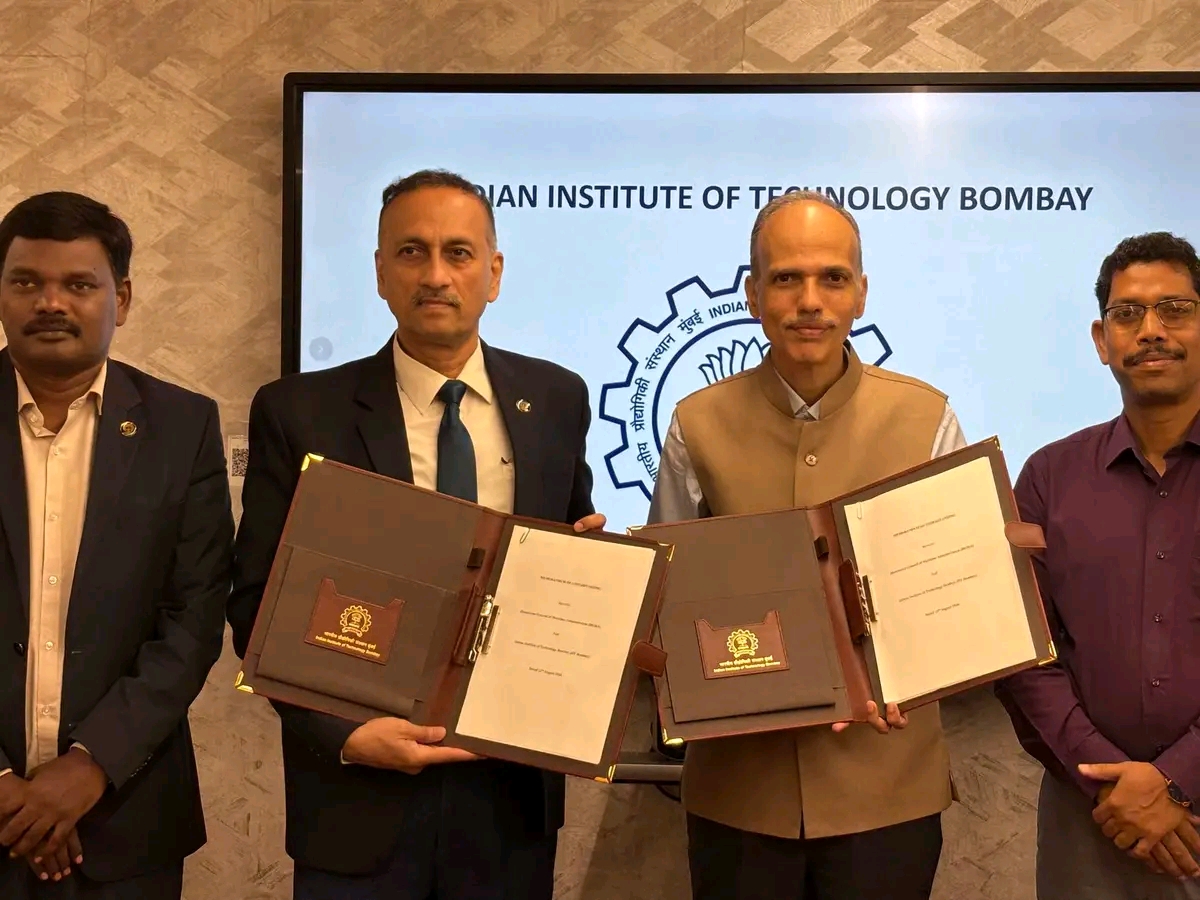
भारत के विकास की कहानी अब केवल जमीन और आसमान तक सीमित नहीं रहने वाली है। आने वाले दशकों में समुद्र भारत की अर्थव्यवस्था, ऊर्जा, परिवहन, रक्षा, जलवायु सुरक्षा और तकनीकी आत्मनिर्भरता का एक बड़ा आधार बनने जा रहा है। इसी बदलते परिदृश्य में OceanEngineering यानी महासागर इंजीनियरिंग एक ऐसी तकनीकी शाखा के रूप में तेजी से महत्वपूर्ण हो रही है, जो समुद्र और उससे जुड़े संसाधनों, संरचनाओं तथा गतिविधियों को इंजीनियरिंग, विज्ञान और तकनीक के माध्यम से समझने और विकसित करने का काम करती है।
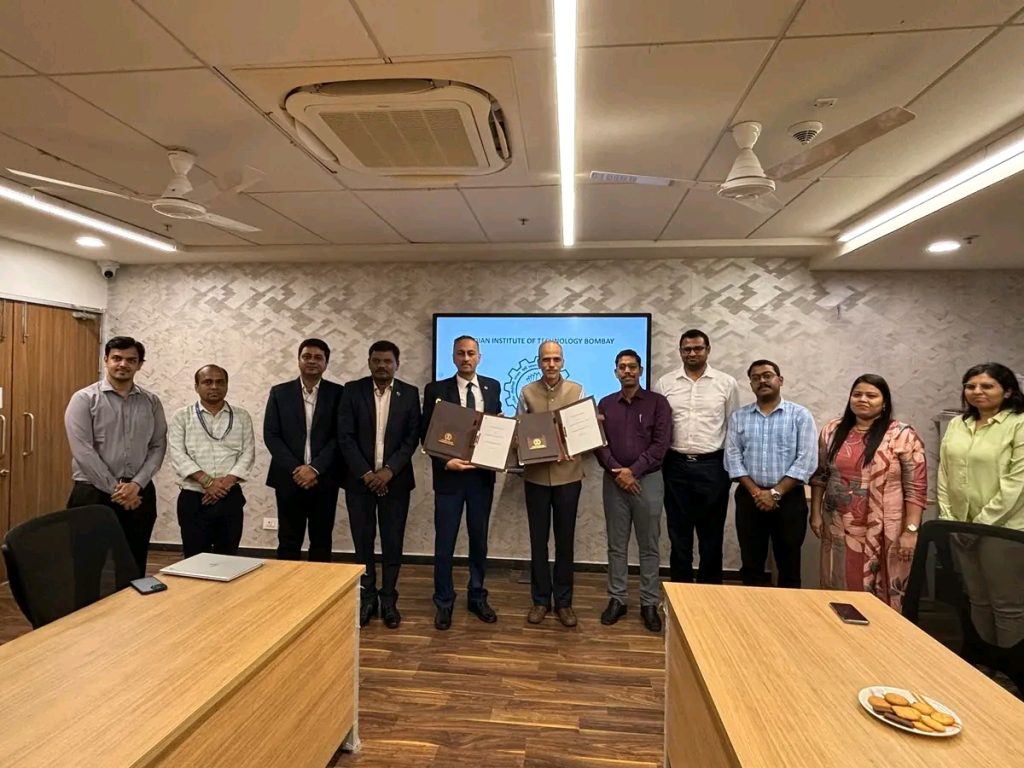
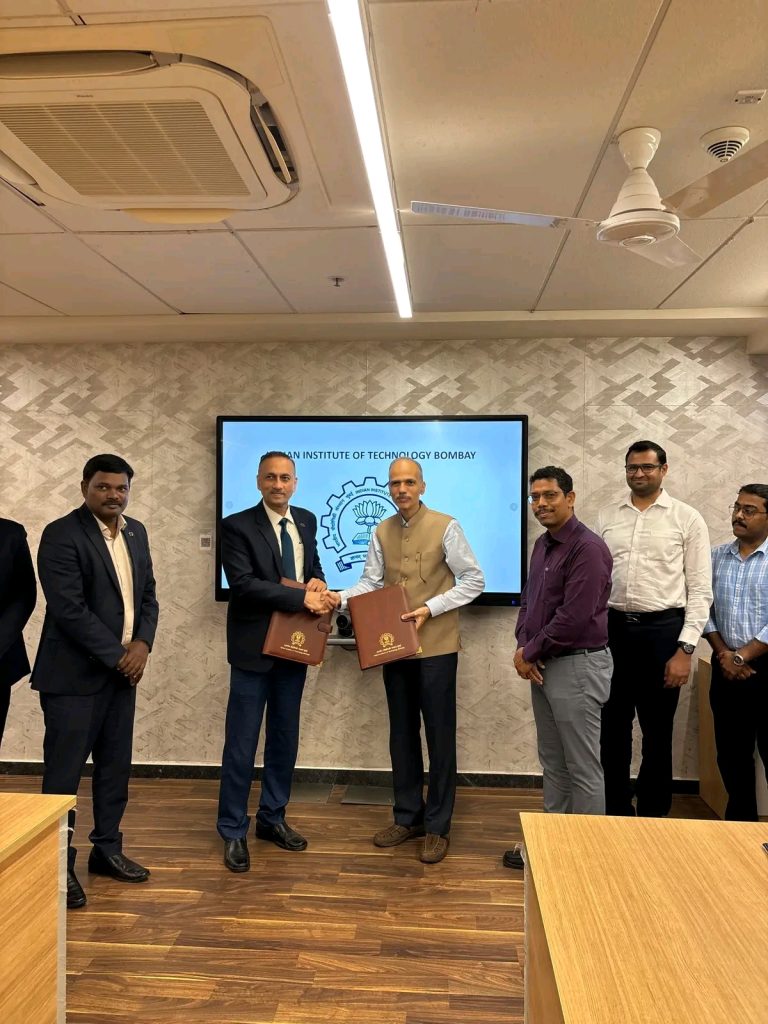
12 अगस्त 2026 को IITBombay और Directorate General of Maritime Administration (DGMA) के बीच हुआ समझौता इसी बदलती जरूरत की दिशा में एक महत्वपूर्ण कदम है। इस MoU का उद्देश्य समुद्री अनुसंधान, तकनीकी विकास, शिक्षा, प्रशिक्षण और क्षमता निर्माण के क्षेत्रों में संस्थागत सहयोग को मजबूत करना है।
समझौते में Maritime Engineering, Ocean Engineering, Shipbuilding, ShipRepairand Recycling, Shipping Technology, Maritime Administration, Sustainability और Decarbonisation जैसे क्षेत्र शामिल हैं।इस समझौते को केवल एक संस्थागत MoU के रूप में देखना उचित नहीं होगा। इसके पीछे भारत के समुद्री भविष्य की एक बड़ी तस्वीर दिखाई देती है—जहां विश्वविद्यालयों की प्रयोगशालाएं, सरकारी संस्थाएं, शिपयार्ड, बंदरगाह, अनुसंधान संस्थान और उद्योग मिलकर नई समुद्री तकनीकों का विकास करेंगे।
OceanEngineering आखिर है क्या?
साधारण भाषा में कहें तो Ocean Engineering वह इंजीनियरिंग शाखा है जिसमें समुद्र और अन्य बड़े जल निकायों में काम करने वाली संरचनाओं, प्रणालियों और तकनीकों का डिजाइन, निर्माण, परीक्षण, संचालन और रखरखाव किया जाता है।
लेकिन इसका दायरा केवल जहाज बनाने तक सीमित नहीं है।
Ocean Engineering में समुद्री और तटीय संरचनाएं, offshore platforms, ports और harbours, coastal protection systems, underwater vehicles, subsea pipelines और cables, ocean energy systems, marine structures, hydrodynamics, समुद्री सामग्री, समुद्री भू-तकनीक, coastal erosion और climate resilience जैसे अनेक क्षेत्र शामिल हैं।
IIT Madras के Ocean Engineering विभाग के अनुसार इस क्षेत्र में offshore structures, ports and harbours, coastal structures, coastal erosion and protection, ocean energy, dredging, ocean mining, subsea pipelines and cables तथा underwater acoustics जैसे विषय आते हैं।
इसलिए Ocean Engineering को केवल “समुद्र में इंजीनियरिंग” कहना इसके व्यापक स्वरूप को छोटा कर देना होगा। यह वास्तव में Mechanical Engineering, Civil Engineering, Naval Architecture, Electrical Engineering, Materials Science, Computer Science, Artificial Intelligence, Environmental Science और Ocean Science का एक interdisciplinary संगम है।
भारत के लिए Ocean Engineering इतना महत्वपूर्ण क्यों है?
भारत की भौगोलिक स्थिति Ocean Engineering को रणनीतिक महत्व देती है। देश की लंबी समुद्री सीमा, विशाल तटीय क्षेत्र, बड़े बंदरगाह, समुद्री व्यापार, offshore energy resources और समुद्र से जुड़ी आजीविका भारत के आर्थिक विकास में महत्वपूर्ण भूमिका निभाते हैं।
सरकारी आंकड़ों में भारत की coastline की लंबाई को 2025 में नए सर्वेक्षण और मापन के आधार पर 11,098.81 किलोमीटर पुनर्मूल्यांकित किया गया है।
इस विशाल तटीय क्षेत्र को देखते हुए भारत को ऐसे इंजीनियरों की जरूरत है जो केवल जहाजों का डिजाइन न जानते हों, बल्कि समुद्री लहरों, currents, tides, coastal erosion, offshore structures, seabed conditions और समुद्री पर्यावरण के साथ engineering systems की interaction को भी समझते हों।
1. समुद्री व्यापार
भारत का अंतरराष्ट्रीय व्यापार बड़े पैमाने पर समुद्री मार्गों से जुड़ा है। ऐसे में सुरक्षित, कुशल और कम-कार्बन shipping infrastructure के लिए advanced maritime engineering की आवश्यकता लगातार बढ़ेगी।
2. Shipbuilding और ship repair
भारत यदि वैश्विक shipbuilding और ship repair ecosystem में अपनी हिस्सेदारी बढ़ाना चाहता है तो trained naval architects, ocean engineers, marine engineers, materials specialists और digital maritime professionals की मांग बढ़ेगी।
3. Ports और coastal infrastructure
नए ports, terminals, coastal roads, breakwaters, jetties और offshore infrastructure को डिजाइन करने के लिए ocean conditions को समझना जरूरी है।
4. Climate change और coastal protection
समुद्र के स्तर में बदलाव, extreme weather events, cyclones, coastal flooding और erosion भारत के तटीय शहरों और समुदायों के लिए गंभीर चुनौतियां हैं। Ocean Engineering यहां केवल infrastructure development का विषय नहीं रह जाता, बल्कि climate resilience का भी विषय बन जाता है।
5. Offshore energy
Offshore wind, ocean energy और अन्य marine renewable-energy systems भविष्य में ऊर्जा क्षेत्र का महत्वपूर्ण हिस्सा बन सकते हैं। इन प्रणालियों के लिए समुद्री संरचनाओं, hydrodynamics, mooring systems और materials की विशेषज्ञता चाहिए।
6. Defence और strategic technology
Underwater vehicles, autonomous marine systems, underwater sensors, subsea communication और maritime surveillance जैसे क्षेत्रों में भी Ocean Engineering का महत्व बढ़ रहा है।
Ocean Engineering और Marine Engineering में क्या अंतर है?
दोनों शब्द अक्सर एक-दूसरे के स्थान पर इस्तेमाल किए जाते हैं, लेकिन दोनों का फोकस अलग है। Marine Engineering मुख्य रूप से जहाजों और marine vessels की machinery, propulsion, power systems, boilers, engines, electrical systems तथा onboard engineering systems पर केंद्रित होती है।
इसके विपरीत Ocean Engineering का दायरा अधिक व्यापक है। इसमें समुद्र में मौजूद या समुद्र से जुड़ी structures और systems का engineering design शामिल है—जैसे offshore platforms, floating structures, coastal structures, underwater vehicles, subsea systems, ocean energy systems और marine infrastructure।
वहीं Naval Architecture मुख्य रूप से जहाज और floating vessels के design, stability, resistance, propulsion, structural strength और performance से जुड़ी होती है।
आज ये तीनों क्षेत्र तेजी से एक-दूसरे से जुड़ रहे हैं।
इसी कारण भविष्य का maritime engineer केवल mechanical या civil engineer नहीं होगा। उसे data science, simulation, AI, robotics, materials, environmental engineering और digital technologies की भी जानकारी रखनी होगी।
भारत में Ocean Engineering की शिक्षा कहां दी जा रही है?
भारत में Ocean Engineering की शिक्षा अभी Computer Science या Mechanical Engineering जैसी व्यापक नहीं है, लेकिन इसके लिए कुछ प्रमुख संस्थानों में मजबूत academic और research ecosystem मौजूद है।
1. IIT Bombay
IIT Bombay में Ocean Engineering, Department of Civil Engineering के अंतर्गत specialization के रूप में संचालित है। संस्थान के अनुसार यहां Ocean Engineering में शिक्षा और शोध की शुरुआत 1980 से हुई और वर्तमान में इसका फोकस coastal engineering, offshore engineering और climate sciences सहित विभिन्न क्षेत्रों पर है।
IIT Bombay में M.Tech in Ocean Engineering specialization उपलब्ध है और PhD तथा internships के अवसर भी हैं।
यही कारण है कि DGMA के साथ हुआ नया MoU IIT Bombay के लिए विशेष महत्व रखता है। अब academic research को maritime administration और वास्तविक sectoral requirements के साथ जोड़ने की संभावना और मजबूत होगी।
2. IIT Madras
भारत में Ocean Engineering की सबसे मजबूत academic परंपराओं में से एक IIT Madras में है।
यहां Ocean Engineering Centre की शुरुआत 1977 में हुई थी और बाद में यह Department of Ocean Engineering के रूप में विकसित हुआ। विभाग B.Tech in Naval Architecture and Ocean Engineering के साथ postgraduate और doctoral स्तर पर भी शिक्षा और research प्रदान करता है।
IIT Madras में M.Tech के स्तर पर Ocean Structures, Ocean Technology और Petroleum Engineering जैसे कार्यक्रम उपलब्ध हैं।
यहां research areas में structural analysis, wave hydrodynamics, coastal processes, ships, floating platforms, underwater vehicles, marine geotechnics, marine materials और ocean energy शामिल हैं।
3. IIT Kharagpur
IIT Kharagpur में Ocean Engineering and Naval Architecture एक स्थापित academic discipline है।
संस्थान के curriculum में B.Tech in Ocean Engineering and Naval Architecture उपलब्ध है। इसके अलावा postgraduate स्तर पर Ocean Engineering and Naval Architecture में hydrodynamics, ocean structures, design problems और marine dynamics जैसे विषय पढ़ाए जाते हैं।
और भी महत्वपूर्ण बात यह है कि IIT Kharagpur में Ocean Engineering and Naval Architecture को Artificial Intelligence, Machine Learning and Applications तथा Engineering Entrepreneurship जैसे interdisciplinary combinations से भी जोड़ा गया है।
यह संकेत देता है कि भविष्य की Ocean Engineering शिक्षा केवल पारंपरिक marine subjects तक सीमित नहीं रहेगी।
4. Indian Maritime University
भारत में maritime education का प्रमुख संस्थान Indian Maritime University (IMU) है।
IMU के School of Naval Architecture and Ocean Engineering में B.Tech, M.Tech और research programmes उपलब्ध हैं। इसके B.Tech Naval Architecture and Ocean Engineering कार्यक्रम में naval architecture, ship design, marine structures, hydrodynamics, marine materials and corrosion, marine propulsion, offshore engineering और renewable energy जैसे विषय शामिल हैं।
IMU के वर्तमान कार्यक्रमों में B.Tech Naval Architecture & Ocean Engineering, M.Tech Naval Architecture & Ocean Engineering और M.Tech Dredging and Harbour Engineering शामिल हैं।
IMU के Visakhapatnam campus में B.Tech Naval Architecture and Ocean Engineering तथा संबंधित postgraduate programmes का संचालन होता है।
5. NITK Surathkal
National Institute of Technology Karnataka, Surathkal में Department of Water Resources and Ocean Engineering के अंतर्गत M.Tech in Marine Structures उपलब्ध है।
इसके अलावा Water Resources Engineering and Management तथा Geoinformatics जैसे कार्यक्रम भी हैं।
Marine Structures जैसी विशेषज्ञता offshore platforms, coastal infrastructure और समुद्री structures के लिए महत्वपूर्ण है।
6. Andhra University
Andhra University में Naval Architecture and Marine Engineering से जुड़े undergraduate और postgraduate programmes तथा curriculum उपलब्ध हैं। इसके पाठ्यक्रम में Physical Oceanography, offshore structures, ocean structures and materials, hydrodynamics, marine engineering और अन्य समुद्री विषय शामिल हैं।
इस तरह भारत में Ocean Engineering शिक्षा का ecosystem अभी कुछ चुनिंदा संस्थानों में केंद्रित है, लेकिन इसके आसपास Marine Engineering, Naval Architecture, Shipbuilding, Dredging, Harbour Engineering और Coastal Engineering जैसे allied disciplines का बड़ा academic network विकसित हो चुका है।
IIT Bombay–DGMA MoU वास्तव में क्यों महत्वपूर्ण है?
12 अगस्त 2026 का IIT Bombay–DGMA MoU इस पूरे ecosystem को एक नया आयाम दे सकता है।
समझौते के अनुसार IIT Bombay और DGMA maritime research, technology development, education और capacity building में सहयोग करेंगे।
इसका अर्थ यह है कि विश्वविद्यालय में होने वाला research केवल academic papers तक सीमित न रहकर वास्तविक maritime challenges से जोड़ा जा सकता है।
MoU के प्रमुख क्षेत्र हैं—
Maritime Engineering
Ocean Engineering
Shipbuilding
Ship Repair
Ship Recycling
Shipping Technology
Maritime Administration
Sustainability
Decarbonisation
इसके अलावा joint R&D projects, technical और feasibility studies, student internships, dissertation projects, research infrastructure development, training programmes, workshops और knowledge-sharing activities की संभावना बनाई गई है।
यही इस समझौते की सबसे बड़ी ताकत है—Research को Real-World Application से जोड़ना।
विद्यार्थियों के लिए क्या बदलेगा?
इस MoU का सबसे बड़ा लाभ आने वाले वर्षों में students को मिल सकता है।
आज किसी engineering student के लिए classroom knowledge और industry requirements के बीच अंतर कई बार दिखाई देता है। Maritime sector में यह gap और महत्वपूर्ण हो सकता है क्योंकि यहां वास्तविक समुद्री conditions में काम करने वाली technologies का design बहुत complex होता है।
IIT Bombay और DGMA के सहयोग से विद्यार्थियों को—
Industry-relevant projects:
ऐसे projects पर काम करने का अवसर मिल सकता है जो वास्तविक maritime problems पर आधारित हों।
Internships: सरकारी maritime ecosystem और संबंधित संस्थाओं के साथ internships की संभावनाएं बढ़ सकती हैं।
Dissertation projects:
M.Tech और PhD students वास्तविक policy, engineering और technology problems पर research कर सकते हैं।
Field exposure:
केवल laboratory या simulation के बजाय ports, ships, shipyards और maritime infrastructure से जुड़े practical exposure का विस्तार हो सकता है।
Policy understanding:
Engineering students को maritime regulations, standards और administration की समझ भी मिल सकती है।
यह बदलाव महत्वपूर्ण है क्योंकि भविष्य का Ocean Engineer केवल “design engineer” नहीं होगा; उसे regulation, sustainability, economics और policy की भी समझ रखनी होगी।
क्या Ocean Engineering की पढ़ाई में AI और Robotics का प्रवेश होगा?
इसका जवाब लगभग निश्चित रूप से हां है।
समुद्र ऐसा environment है जहां data बहुत महत्वपूर्ण है। Waves, currents, wind, tides, salinity, temperature, seabed conditions, structural loads और vessel movements से जुड़े विशाल datasets का analysis किया जाता है।
AI और Machine Learning इन datasets से prediction और optimisation में मदद कर सकते हैं।
भविष्य में Ocean Engineering curriculum में निम्न विषयों का महत्व बढ़ सकता है—
Artificial Intelligence
Machine Learning
Digital Twins
Computational Fluid Dynamics
Autonomous Ships
Underwater Robotics
Autonomous Underwater Vehicles
Remote Sensing
GIS
Marine Sensors
Predictive Maintenance
Structural Health Monitoring
Big Data Analytics
Cybersecurity for Maritime Systems
IIT Kharagpur में Ocean Engineering and Naval Architecture को AI/ML से जोड़ने वाला academic combination पहले से मौजूद होना इस बदलाव की दिशा का संकेत देता है।
Digital Twin और Smart Ship का युग
भविष्य में किसी जहाज या offshore platform का केवल physical model पर्याप्त नहीं होगा।
उसका Digital Twin बनाया जाएगा—एक virtual model जो वास्तविक structure से लगातार data प्राप्त करेगा।
Sensors जहाज या offshore structure की vibration, temperature, stress, corrosion और performance की जानकारी देंगे। AI इन आंकड़ों का विश्लेषण करके पहले ही बता सकेगा कि कौन-सा component कब खराब हो सकता है।
इससे maintenance अधिक predictive और कम costly हो सकती है।
Ocean Engineering education में इसलिए simulation, digital modelling और data analytics को अधिक महत्व मिलना स्वाभाविक है।
Green Shipping और Decarbonisation: भविष्य की सबसे बड़ी चुनौती
समुद्री क्षेत्र में एक और बड़ा परिवर्तन decarbonisation है।
भविष्य के जहाजों को कम emissions के साथ अधिक efficiency से चलाना होगा। इसके लिए alternative fuels, energy-efficient propulsion, lightweight materials, hull optimisation, wind-assisted propulsion, electrification और renewable energy integration जैसे विषय महत्वपूर्ण होंगे।
IIT Bombay–DGMA MoU में sustainability और decarbonisation को स्पष्ट रूप से सहयोग के क्षेत्रों में शामिल किया गया है।
इसका शिक्षा पर सीधा प्रभाव पड़ सकता है।
आने वाले समय में Ocean Engineering students को केवल “ship कैसे बनाया जाए” नहीं पढ़ाया जाएगा, बल्कि यह भी पढ़ाया जाएगा कि—
कम carbon emission वाला जहाज कैसे बनाया जाए?
समुद्री संरचना की life-cycle sustainability कैसे बढ़ाई जाए?
ship recycling को सुरक्षित और environmentally responsible कैसे बनाया जाए?
offshore renewable energy को economically viable कैसे बनाया जाए?
ये प्रश्न भविष्य के curriculum का हिस्सा बन सकते हैं।
Ship Recycling में भी बढ़ेंगे अवसर
भारत में ship recycling एक महत्वपूर्ण maritime activity है। पुराने जहाजों को dismantle करने के दौरान steel, machinery और अन्य materials recover किए जाते हैं।
लेकिन ship recycling केवल आर्थिक गतिविधि नहीं है। इसमें worker safety, hazardous materials, waste management और environmental protection जैसे गंभीर engineering challenges भी हैं।
Ocean और Maritime Engineering के students के लिए भविष्य में sustainable ship recycling, material recovery, environmental monitoring और automated dismantling जैसी नई research opportunities विकसित हो सकती हैं।
IIT Bombay–DGMA MoU में ship repair और recycling का शामिल होना इस दृष्टि से विशेष महत्व रखता है।
Offshore Renewable Energy और Blue Economy
Ocean Engineering का एक बड़ा भविष्य Blue Economy से जुड़ा है।
समुद्र केवल shipping का माध्यम नहीं है। इसमें energy, minerals, fisheries, tourism, biotechnology और अनेक economic resources की संभावनाएं हैं।
विशेष रूप से offshore wind energy भारत के लिए एक महत्वपूर्ण उभरता हुआ क्षेत्र हो सकता है।
लेकिन offshore wind turbine को समुद्र में स्थापित करना land-based turbine लगाने की तुलना में कहीं अधिक जटिल है। Foundation, mooring, waves, currents, corrosion और extreme weather सभी factors को ध्यान में रखना पड़ता है।
यहीं Ocean Engineering की आवश्यकता होती है।
भविष्य में floating offshore wind, wave energy, tidal energy और अन्य marine renewable systems पर research बढ़ सकती है।
Coastal Cities के लिए Ocean Engineers क्यों जरूरी होंगे?
भारत के कई बड़े शहर समुद्र के किनारे स्थित हैं।
Mumbai, Chennai, Kochi, Visakhapatnam, Kolkata जैसे शहरों के लिए coastal infrastructure और climate resilience आने वाले वर्षों में महत्वपूर्ण विषय होंगे।
Coastal erosion, storm surge, flooding और extreme weather events के कारण infrastructure planning में ocean conditions को समझना आवश्यक होगा।
Ocean Engineer यह तय करने में मदद कर सकता है कि किसी coastal structure का design कैसा होना चाहिए, breakwater कहां बनाया जाए, coastal erosion को कैसे नियंत्रित किया जाए और infrastructure को extreme marine conditions के लिए कैसे तैयार किया जाए।
इसलिए Ocean Engineering का भविष्य केवल shipping industry में नहीं है। इसका एक बड़ा भविष्य urban climate resilience में भी है।
रोजगार के अवसर किन क्षेत्रों में होंगे?
Ocean Engineering graduates के लिए career opportunities कई दिशाओं में विकसित हो सकती हैं।
सरकारी क्षेत्र
Maritime administration
Ports
Coastal infrastructure
Defence research
Hydrographic organisations
Research laboratories
Public sector shipyards
Government maritime projects
Private sector
Shipbuilding companies
Ship repair companies
Offshore engineering firms
Ports and logistics companies
Marine consultancy
Offshore energy companies
Engineering design firms
Marine technology startups
Research और academia
IITs
NITs
Universities
Government research institutions
International research organisations
Emerging technology sector
Autonomous ships
Underwater drones
Marine robotics
AI-based marine analytics
Digital twins
Smart ports
Marine cybersecurity
Ocean-energy systems
IMU भी Naval Architecture and Ocean Engineering graduates के लिए Naval Architect, Research Scientist, Offshore Engineer, Project Manager, Marine Engineer और Marine Surveyor जैसे career options बताता है।
क्या भारत में Ocean Engineering की शिक्षा का विस्तार होना चाहिए?
यह एक महत्वपूर्ण नीति प्रश्न है।
वर्तमान में Ocean Engineering की dedicated education अपेक्षाकृत सीमित संस्थानों में है। दूसरी तरफ maritime sector का दायरा लगातार विस्तृत हो रहा है।
इसलिए आने वाले वर्षों में भारत को केवल कुछ IITs और specialised maritime institutions पर निर्भर रहने के बजाय regional Ocean Engineering education hubs विकसित करने पर विचार करना चाहिए।
उदाहरण के लिए—
पूर्वी तट: Chennai, Visakhapatnam, Kolkata
पश्चिमी तट: Mumbai, Goa, Mangalore, Kochi
दक्षिणी तट: Chennai, Kochi, Visakhapatnam आदि
इन क्षेत्रों में स्थानीय maritime industry और academic institutions को जोड़कर specialised centres बनाए जा सकते हैं।
भविष्य का Ocean Engineering curriculum कैसा हो सकता है?
यदि IIT Bombay–DGMA जैसे collaborations बढ़ते हैं तो आने वाले वर्षों में curriculum में बड़ा परिवर्तन संभव है।
एक आधुनिक Ocean Engineering programme में traditional subjects के साथ निम्न modules शामिल किए जा सकते हैं—
Core Engineering
Fluid Mechanics
Hydrodynamics
Structural Engineering
Marine Materials
Marine Geotechnical Engineering
Ship Design
Offshore Structures
Digital Technology
AI/ML
Computational Fluid Dynamics
Data Analytics
Digital Twin
Simulation
Robotics
Autonomous Systems
Sustainability
Green Shipping
Decarbonisation
Renewable Ocean Energy
Sustainable Shipbuilding
Ship Recycling
Environmental Impact Assessment
Policy and Management
Maritime Law
Maritime Administration
International Shipping Regulations
Safety Standards
Maritime Economics
Risk Management
यह interdisciplinary curriculum graduates को केवल नौकरी के लिए नहीं बल्कि नई maritime technologies विकसित करने के लिए तैयार करेगा।
IIT Bombay–DGMA MoU से research ecosystem में क्या बदलाव संभव है?
सबसे महत्वपूर्ण बदलाव यह हो सकता है कि research questions अधिक practical हो जाएं।
मान लीजिए maritime sector के सामने कोई समस्या आती है—जैसे किसी offshore structure की durability, किसी ship design की energy efficiency, coastal infrastructure की safety या ship recycling में environmental risk।
ऐसे मामलों में DGMA sectoral requirements को सामने ला सकता है और IIT Bombay के researchers उस समस्या पर scientific और engineering solutions विकसित कर सकते हैं।
इसके बाद prototype, simulation या technology को real-world conditions में test किया जा सकता है।
यह Government → Academia → Industry → Technology → Deployment का cycle बना सकता है।
यदि यह model सफल होता है तो अन्य maritime institutions के लिए भी एक उदाहरण बन सकता है।
क्या इससे Startups को भी फायदा होगा?
हां।
Ocean Technology में startup ecosystem अभी भारत में relatively छोटा है, लेकिन इसके भीतर बड़ी संभावनाएं हैं।
उदाहरण के लिए startups विकसित कर सकते हैं—
Autonomous underwater vehicles
Marine drones
Smart buoys
Ocean sensors
AI-based wave forecasting
Ship fuel optimisation systems
Predictive maintenance platforms
Marine inspection robots
Digital twin platforms
Coastal monitoring systems
यदि academic institutions में research infrastructure और government sector की वास्तविक समस्याओं के बीच मजबूत connection बनता है तो technology transfer और deep-tech startups को बढ़ावा मिल सकता है।
सबसे बड़ा बदलाव: Education से Employability तक
इस MoU का एक महत्वपूर्ण असर यह हो सकता है कि Ocean Engineering की शिक्षा अधिक application-oriented बने।
आज engineering education में एक बड़ी चुनौती यह है कि विद्यार्थी theoretical knowledge तो प्राप्त कर लेते हैं, लेकिन वास्तविक engineering problems से उनका exposure सीमित रहता है।

Maritime sector में internship, shipyard visit, port project, field measurement, simulation और real-world project बहुत महत्वपूर्ण हैं।
IIT Bombay और DGMA का सहयोग यदि इन अवसरों को institutionalise करता है तो students को graduation से पहले ही वास्तविक maritime engineering ecosystem की समझ मिलने लगेगी।
भारत के लिए रणनीतिक अवसर
भारत यदि आने वाले दशकों में global maritime power बनना चाहता है तो उसे तीन चीजों पर एक साथ काम करना होगा—
पहला—Infrastructure
आधुनिक ports, shipyards, coastal infrastructure और marine technology facilities।
दूसरा—Technology
AI-enabled shipping, autonomous systems, green propulsion, offshore renewable energy और advanced materials।
तीसरा—Talent
ऐसे engineers और researchers जो maritime sector की वास्तविक समस्याओं को समझते हों।
Ocean Engineering इन तीनों को जोड़ने वाली महत्वपूर्ण कड़ी बन सकती है।
समुद्र भारत की अगली Engineering Frontier हो सकता है
IIT Bombay और DGMA के बीच 12 अगस्त 2026 को हुआ MoU इसलिए महत्वपूर्ण है क्योंकि यह केवल दो संस्थानों के बीच सहयोग नहीं है। यह उस बदलाव का संकेत है जिसमें भारत का maritime sector traditional shipping से निकलकर research-driven, technology-intensive और sustainability-oriented ecosystem की ओर बढ़ सकता है।
Ocean Engineering आने वाले वर्षों में एक niche engineering discipline से आगे बढ़कर भारत की strategic technology capabilities का महत्वपूर्ण हिस्सा बन सकती है।
भारत के पास लंबी coastline, विशाल maritime interests, shipbuilding की क्षमता, engineering talent और IITs तथा research institutions का मजबूत network है। आवश्यकता इस बात की है कि इन संसाधनों को एक coordinated ecosystem में बदला जाए।
IIT Bombay–DGMA collaboration इसी दिशा में एक महत्वपूर्ण प्रयोग हो सकता है।
इसका सबसे बड़ा लाभ केवल नए research papers या technical reports नहीं होंगे। असली सफलता तब मानी जाएगी जब इससे नई technologies, बेहतर ships, safer ports, greener maritime systems, skilled engineers, नए startups और global maritime competitiveness पैदा हों।
और शिक्षा के स्तर पर सबसे बड़ा बदलाव यह होगा कि Ocean Engineering का विद्यार्थी केवल किताबों में समुद्र को समझने वाला engineer नहीं रहेगा। वह AI, robotics, advanced materials, climate science, ship technology, renewable energy और maritime policy को एक साथ समझने वाला multidisciplinary professional बनेगा।
यही कारण है कि आने वाले दशक में Ocean Engineering को भारत में केवल एक specialized course के रूप में नहीं, बल्कि Blue Economy, maritime security, climate resilience और technological self-reliance की आधारभूत engineering disciplines में से एक के रूप में देखना चाहिए।
समुद्र भारत के सामने केवल एक भौगोलिक सीमा नहीं है—यह भविष्य की अर्थव्यवस्था, ऊर्जा, तकनीक और रोजगार का विशाल क्षेत्र है। और इस भविष्य को आकार देने के लिए Ocean Engineers की भूमिका आने वाले वर्षों में पहले से कहीं अधिक महत्वपूर्ण होने वाली है।